
 日本語
日本語
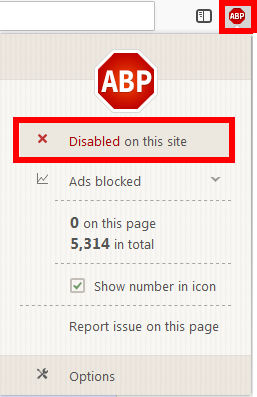
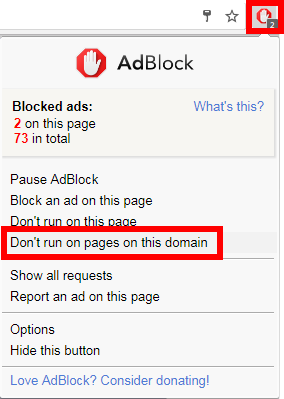
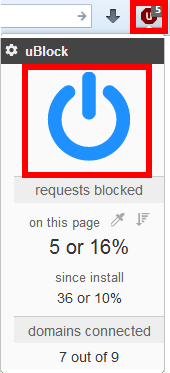
この無料内容は広告によって提供しておりますが、広告ブロック機能が稼動しているようです。
Nihongo-Proのゲームやクイズのご利用にあたっては、広告ブロックを無効にしていただけますか。
- 年中無休の日本語チャットルームへのログイン
- ご自分のクイズ成績の閲覧
- 「ひろば」交流フォーラムへの投稿





128日前
日本で 一番売れている絵本は「いない いない ばあ(Peek-a-boo)」だそうです。次が「ぐりとぐら」だそうです。どちらも 1967年に 出版(しゅっぱん)されました。[/font][/color][/size]絵本はロングセラーがおおいですから、あたらしいのは あまり ありません。「絵本作家(えほんさっか picture book author) に なるのは とても むずかしいそうです。よかったら、このYouTubeを見てくださいね。[/font][/color][/size]https://www.youtube.com/watch?v=psCoMkMOQlY[/color]
130日前
エモリーさん、こんにちは!
[quote]ジョセさん、仕事が好きですか。どうですか。[/quote]
まあ、仕事(しごと)が好(す)きですよ。組(く)み込(こ)みソフトウェアエンジニアです。現在(げんざい)、飛行機(ひこうき)を作(つく)る会社(かいしゃ)に務(つと)めています。利点(りてん)はありますが、日々(ひび)が慌(あわただ)しくて、ストレスが溜(た)まりやすいです。結局(けっきょく)、プログラミングが大好(だいす)きなので、プログラマーとして働(はたら)ければ、会社(かいしゃ)は別(べつ)にいいと思(おも)います。
でも、将来(しょうらい)、日本(にほん)で留学(りゅうがく)したくて、その後(あと)、就職(しゅうしょく)もしてみたいです。昔(むかし)からの夢(ゆめ)なので、今(いま)は全力(ぜんりょく)でお金(かね)を貯(た)めていますwww。
[quote]すごいすごい!おめでとうございました!感心していますよね!![/quote]
ありがとうございました!エモリーさんも引き続き本を読んで挑戦しましょう!
[quote]ジョセさん、仕事が好きですか。どうですか。[/quote]
まあ、仕事(しごと)が好(す)きですよ。組(く)み込(こ)みソフトウェアエンジニアです。現在(げんざい)、飛行機(ひこうき)を作(つく)る会社(かいしゃ)に務(つと)めています。利点(りてん)はありますが、日々(ひび)が慌(あわただ)しくて、ストレスが溜(た)まりやすいです。結局(けっきょく)、プログラミングが大好(だいす)きなので、プログラマーとして働(はたら)ければ、会社(かいしゃ)は別(べつ)にいいと思(おも)います。
でも、将来(しょうらい)、日本(にほん)で留学(りゅうがく)したくて、その後(あと)、就職(しゅうしょく)もしてみたいです。昔(むかし)からの夢(ゆめ)なので、今(いま)は全力(ぜんりょく)でお金(かね)を貯(た)めていますwww。
[quote]すごいすごい!おめでとうございました!感心していますよね!![/quote]
ありがとうございました!エモリーさんも引き続き本を読んで挑戦しましょう!
134日前
[quote]最近、僕は、染井為人の「正体」という本を読んでみました。結局、半年くらいかかっていて...[/quote]
ジョゼさん、ごめんなさい!その勝ち向こうに返信を書きませんでした!忘れました。
じょぜさん、ごめんないあい!そのかち むこうに へんしんを かきませんでした!わすれました。
すごいすごい!おめでとうございました!感心していますよね!!
すごいすごい!おめでとうございました!かんしんしていますよね!!
ジョゼさん、ごめんなさい!その勝ち向こうに返信を書きませんでした!忘れました。
じょぜさん、ごめんないあい!そのかち むこうに へんしんを かきませんでした!わすれました。
すごいすごい!おめでとうございました!感心していますよね!!
すごいすごい!おめでとうございました!かんしんしていますよね!!

135日前
Emilyさん
私(わたし)が ロサンゼルスの 高校(高校)の 図書館(としょかん)で 働(はたら)いていたのは 2003年(ねん)から 2007年(ねん)まででした。図書館(としょかん)では 主(おも)に Accelerated Readerの 仕事(しごと)を していました。それから ミシシッピに 引(ひ)っ越(こ)して、その後(あと) ミネソタに 住(す)みました。カリフォルニアが 一番(いちばん) 好(す)きです!
日本(にほん)の 図書館(としょかん)では 働(はたら)いていませんが、 図書館(としょかん)には よく 行(い)きました。図書館(としょかんや 本(ほん)の ある ところが 大好(だいす)きです。
私(わたし)が ロサンゼルスの 高校(高校)の 図書館(としょかん)で 働(はたら)いていたのは 2003年(ねん)から 2007年(ねん)まででした。図書館(としょかん)では 主(おも)に Accelerated Readerの 仕事(しごと)を していました。それから ミシシッピに 引(ひ)っ越(こ)して、その後(あと) ミネソタに 住(す)みました。カリフォルニアが 一番(いちばん) 好(す)きです!
日本(にほん)の 図書館(としょかん)では 働(はたら)いていませんが、 図書館(としょかん)には よく 行(い)きました。図書館(としょかんや 本(ほん)の ある ところが 大好(だいす)きです。
136日前
「漢字と平仮名。ひらがな だけ」
皆さん、こんにちは!いつもよろしくお願いします。
みなさん、こんにちは!いつもよろしくおねがいします。
[quote] わたしは ロサンゼルスに 住(す)んでいたとき、 高校(こうこう)の 図書館(としょかん)で はたらいていました。 [/quote]
中野先生、すごいです!何年ごろでしたか。いまでロサンゼルス近いうちに住んでいます。七年前にカリフォルニアに引っ越しました。カリフォルニアはどうでしたか。
なかのせんせい、すごいです!なんねんごろ でしたか。いまで ろさんぜるす ちかいうちに すんでいます。ななねん まえに かりふぉるにあ に ひっこしました。かりふぉるにあは どうでしたか。
いままだ、たくさん子どもは乗り物の本を大好きです。「ふへんのり」ですね~ 😄
いままだ、たくさん こどもは のりもの のほんを だいすきです。「ふへんのり」ですね~ 😄
それに、中野先生は日本の図書館で働くことがありますか。「どうですか」と思います。
それに、なかのせんせいは にほんの としょかんで はたらく ことが ありますか。「どうですか」とおもいます。
[quote] そうかもしれませんね。でも、実は、現代の若者達はスマホがある世界で育ってきているので、「パソコンのような物はもう要らない!」という考えが流行っていると思います。 [/quote]
ジョゼさん、そうですね。図書館で、昔々老人だけはパソコンの手伝うことがいりましたけど、最近、「ティーンエージャー」も手伝うことがいります。スマホは原因です!
じょせさん、そうですね。としょかんで、みらいみらい ろうじん だけ は ぱそこんの てつだう ことが いりました けど、さいきん、「てぃーんえーじゃー」も てつだう ことが いります。すまほは げんいんです!
ジョセさん、仕事が好きですか。どうですか。🙂
じょせさん、しごとがすきですか。どうですか。🙂
145日前
なかのさん、こんにちは。
そうかもしれませんね。でも、実は、現代の若者達はスマホがある世界で育ってきているので、「パソコンのような物はもう要らない!」という考えが流行っていると思います。大学を卒業した頃に、「最近、パソコンを使った事がない入学生が多くなりましたね」と教授から聞きました。スマホだけで色々なことができるようになりましたからかもしれませんね。
平仮名:
そう かもしれません ね。 でも、 じつ は、げんだい の わかものたち は スマホ が ある せかい で そだってきている ので、 「パソコン の よう な もの は もう いらない!」と いう かんがえ が はやっている と おもいます。 だいがく を そつぎょう した ごろ に、「さいきん、 パソコン を つかった こと が ない にゅうがくせい が おおく なりましたね」と きょうじゅ から ききました。 スマホ だけ で いろいろ な こと が できる よう に なりました から かもしれませんね。
146日前
Emilyさん、Joseさん、みなさん、こんにちは。
わたしは ロサンゼルスに 住(す)んでいたとき、 高校(こうこう)の 図書館(としょかん)で はたらいていました。でも ほとんどの 高校生(こうこうせい)は、 図書館(としょかん)で 本(ほん)を よまないで、 コンピューターを つかっていました。
いまも そうかもしれませんね。
わたしの こどもたちは のりものの 絵本(えほん)が 大好(だいす)きでした。
「とらっく とらっく とらっく」という本(ほん)と 「しょうぼうじどうしゃ じぷた」という本(ほん)です。
ボロボロに なって いますが、 今(いま)も わたしの 本(ほん)だなに ありますよ。
146日前
いいえ、いいえ。会話する事は練習として役に立つと思いますので、頑張りましょう!
そうですか!図書館にも思ったより慌しい日々がありますね。やっぱり、社会にすごく重要な仕事ですね。大学を通っていた時にしか図書館へ行きませんでしたので、確信を持って言えませんが、ブラジルの図書館にもそんなような社会への仕事があると思います。

「よぶこどり」の表紙はかわいい!日本語で書いた本を読むのが難しいが、挑戦して、本を読んでみる事は大事だと思います!

最近、僕は、染井為人の「正体」という本を読んでみました。結局、半年くらいかかっていて、よく読めなかった部分もありましたが、これからもっと勉強したら、将来にもう一度挑戦して、読み返すと、成長が感じられるようになると思います!
平仮名:
いいえ、いいえ。かいわ する こと は れんしゅう として やくにたつ と おもいます ので、がんばりましょう!
そうですか!としょかん にも おもった より あわただしい ひび が ありますね。やっぱり、しゃかい に すごく じゅうよう な しごと ですね。 だいがく を かよっていた とき に しか としょかん へ いきませんでした ので、かくしん を もって いえませんが、 ぶらじる の としょかん にも そんな ような しゃかい へ の しごと が ある と おもいます。
「よぶこどり」の ひょうし は かわいい! にほんご で かいた ほん を よむ の が むずかしい が、 ちょうせん して、 ほん を よんでみる こと は だいじ だ と おもいます!
さいきん、 ぼく は、そめい・ためひと の 「しょうたい」と いう ほん を よんでみました。 けっきょく、 はんとし くらい かかっていて、よく よめなかった ぶぶん も ありましたが、これ から もっと べんきょう したら、しょうらい に もう いちど ちょうせん して、よみかえす と、せいちょう が かんじられる ように なる と おもいます!
149日前
ジョゼ、こんにちは!わたしにもう一度返事を書きました、ありがとうございます!
じょぜ、こんにちは!わたしに もういちど へんじを かきました、ありがとうございます!
あ、あなたの平仮名の方法が大好きです! 😄
あ、あなたの ひらがなの ほうほうが だいすきです! 😄
図書館の仕事は静かなイメージがあるても、アメリカで公共図書館は忙しくて、時々ストレスです。最近図書館はもっともっと「social work」てきをなりますね。メンタルヘルスを手伝ったり、イミグレーションを手伝ったり、パソコンの方法を手伝っています。
としょかん の しごとは しずかな いめーじが あるても、あめりかで こうきょう としょかんは いそがしくて、ときどき すとれすです。 さいきん としょかんは もっと もっと 「social work」てきを なりますね。「mental health」をてつだったり、「immigration」をてつだったり、ぱそこんの ほうほうを てつだっています。
是非重要です!私の仕事が大好きです。でも、また時々ストレスです。静かじゃありません。😂
ぜひ じゅうよう です! わたしの しごとが だいすきです。でも、また ときどき すとれすです。しずかじゃありません。 😂
本について、あ!「Le Petit Prince」!高校の時に、フランス語を勉強した、「Le Petit Prince」を読みました。きれいな話ですね。
ほんに ついて、あ!「Le Petit Prince」!こうこうの ときに、ふらんすごを べんきょうした、「Le Petit Prince」を よみました。きれいな はなし ですね。
子どもの時に、お母さんとたくさん図書館の旅行へ行ったり、一緒にたくさん絵本と本を読みました。これは1冊のほんが大好きでした:
こどもの ときに、おかあさんと たくさん としょかんの りょこう へ いったり、いっしょに たくさん えほん と ほんを よみました。これは 1さつのほんが だいすきでした:

最近私はこの本を読むことが試しました:
さいきん わたしは このほんを よむことが ためしました:

全部読むことができませんでしたけど、泣きましたよ~ 😭😭😭 日本でこの芸術家は有名です、マリエちゃんと言いました!
ぜんぶ よむことが できませんでしたけど、なきましたよ~ にほんで このげいじゅつかは ゆうめい です、まりえちゃん と いいました!
150日前
こんにちは!
すごいですね!「司書」を読むと、ストレスのない毎日が暮らせる職業のイメージが来ます。事実はどうですか?
実は、子供の頃、絵本を全然読みませんでした。ブラジルに、「O pequeno príncipe」と言う絵本は人気があると思います。フランスの
絵本ですけど。フランスで、「Le Petit Prince」だと思います。
平仮名:
すごい ですね!「ししょ」を よむ と、ストレス の ない まいにち が くらせる しょくぎょう の イメージ が きまます。 じじつ は どうですか?
じつ は、 こども の ころ、 えほん を ぜんぜん よみませんでした。 ブラジル に、「O pequeno príncipe」と いう えほん は にんき が ある と おもいます。フランス の
えほん ですけど。フランス で、「Le Petit Prince」だ と おもいます。
152日前
皆さん、こんにちは!今から、皆さんは読むことができたいんです、私の「posts」を平仮名と漢字で書きます。がんばれましょう!
(みなさん、こんにちは! いま から、みなさんは よむ ことが できたいんです、わたしの 「posts」を ひらがな と かんじ で かきます。がんばれましょう!)
本が大好きです。実に、図書館で働きます。「司書」ですから、毎日たくさん本を見ています。
(ほん が だいすき です。じつに、としょかんで はたらきます。 「ししょ」ですから、まいにち たくさん えほんを みています。)
子ども向けて、図書館はたくさん絵本を集めます。大半絵本は英語でが、中国語とスペイン語と日本語の絵本があります。
(こどもむけて、としょかんは たくさん えほんを あつめます。たいはん えほんは えいごでが、ちゅうごくご と すぺいんご と にほんごの えほんが あります。)
日本語で上手になりたいんです、日本語の絵本は読むことが試します! 😄
(にほんごで じょうずに なりたいんです、にほんごの えほん は よむ ことが ためします! 😄)
皆さん、子どもの時にたくさん絵本を読みましたか。 どれ絵本がいちがん大好きですか。 あなたの国で、どれ絵本が有名ですか。
(みなさん、 こどものどきに たくさん えほんを よみましたか。 どれ えほんが いちばん だいすきですか。 あなたの くにで、どれ えほんが ゆうめい ですか。)
154日前
かたの先生、こんにちは!初めまして! あ、「う」と「ゆ」の問題はフランスでおなじですか! どうして! 面白いですよね。うみのお名前の漢字は、「海」ですか。🏖️
ジョゼさん、そうですか。頭がいい!でも、「Truman Show」が大好き。その映画をすすめます!
やまもと先生、こんにちは!初めまして![quote]John → Jack(もはや別人!)[/quote]
😂😂😂 そうですそうです!! 例えば、私の夫のお名前は「Nathaniel」です。時々他人は「Nate」を呼んでいます。「ナセニエル」 --> 「ネート」…🤔
英語さん、どうして。 😂
毎日新しいクイズが登場。無条件で100%無料。
多数のJLPTクイズを含んだレベル別の新しいクイズが毎日登場します。 Nihongo-Proのすべてのクイズは無条件で100%無料です。お使いのPC、スマートホン、iPad、タブレットから無料の日本語クイズをお試しになり、 1日に数分間、オンラインで無料の日本語学習をお楽しみください。登録は無料です。無料日本語クイズ
2025年6月11日の無料の日本語クイズです。新しいクイズが毎日登場します-毎日、新しいクイズに挑戦して、
日本語学習達成度を記録してみましょう。Nihongo-Proのすべてのクイズは無条件で100%無料です。
無料の日本語クイズに挑戦して、あなたの日本語の知識(文法 語彙 文字 慣用句・ことわざ)のレベルをチェックしてみましょう。
ことばを ふやそう!If you are just starting out to learn Japanese, you are no doubt trying hard to learn Japanese vocabulary. This free quiz is here to help, with five introductory Japanese vocabulary words.
If you are just starting out to learn Japanese, you are no doubt trying hard to learn Japanese vocabulary. This free quiz is here to help, with five introductory Japanese vocabulary words.
カタカナの練習 〜One Piece 登場人物 の名前 〜Do you love Japanese manga? Test your knowledge of One Piece with this free katakana quiz.
Do you love Japanese manga? Test your knowledge of One Piece with this free katakana quiz.
副詞 を覚えようLearning Japanese takes practice and patience. Practice just a few minutes every day, and your Japanese skill will improve with patience. With new quizzes every day, the free Japanese quizzes at Nihongo-Pro are a simple, effective addition to your Japanese study plan.
Learning Japanese takes practice and patience. Practice just a few minutes every day, and your Japanese skill will improve with patience. With new quizzes every day, the free Japanese quizzes at Nihongo-Pro are a simple, effective addition to your Japanese study plan.
四字熟語How many Japanese yoji-jukugo (4-character Kanji compounds) do you know? If you are an advanced student of Japanese, you know the language has thousands of these compounds, many borrowed from Chinese and many that are used in everyday conversation or writing.
How many Japanese yoji-jukugo (4-character Kanji compounds) do you know? If you are an advanced student of Japanese, you know the language has thousands of these compounds, many borrowed from Chinese and many that are used in everyday conversation or writing.
これまでのクイズ
クイズ掲載日に解答し忘れても、ここでNihongo-Proの最近のクイズに挑戦できます。
無料の日本語クイズに挑戦して、あなたの日本語の知識(文法 語彙)のレベルをチェックしてみましょう。
ことばを ふやそう!If you are just starting out to learn Japanese, you are no doubt trying hard to learn Japanese vocabulary. This free quiz is here to help, with five introductory Japanese vocabulary words.
If you are just starting out to learn Japanese, you are no doubt trying hard to learn Japanese vocabulary. This free quiz is here to help, with five introductory Japanese vocabulary words.
この花 は何 ?When you are ready to learn Japanese online fast, why not give online Japanese lessons at Nihongo-Pro a try. Our teachers are qualified Japanese language instructors who will guide you expertly toward your Japanese learning goal.
When you are ready to learn Japanese online fast, why not give online Japanese lessons at Nihongo-Pro a try. Our teachers are qualified Japanese language instructors who will guide you expertly toward your Japanese learning goal.
レストランに行こうDo you know restaurant lingo in Japanese? This fun, free Japanese quiz will help you learn essential Japanese for your next visit.
Do you know restaurant lingo in Japanese? This fun, free Japanese quiz will help you learn essential Japanese for your next visit.
JLPT N1 文法The advanced Japanese grammar in this free quiz will help you prepare for the JLPT N1.
The advanced Japanese grammar in this free quiz will help you prepare for the JLPT N1.
さらに無料の日本語クイズ
無料のオンラインで日本語を学びたいなら、
120以上の無料日本語クイズをお試しください。
どこよりも優れたオンライン日本語講師がすべて作成しています!
クイズの内容: 語彙 擬態語・擬音語
色 の なまえ、わかる?Here is a fun and free Japanese quiz to help you learn the names of basic colors in Japanese. Try to learn just a couple of Japanese words every day, and you will soon be speaking and understanding Japanese!
Here is a fun and free Japanese quiz to help you learn the names of basic colors in Japanese. Try to learn just a couple of Japanese words every day, and you will soon be speaking and understanding Japanese!
まちがいさがしFor an extra challenge, click the Kanji button to turn off the kanji readings. See if you can read all the kanji with no extra help!
For an extra challenge, click the Kanji button to turn off the kanji readings. See if you can read all the kanji with no extra help!
JLPT N3の語彙 ・擬態語 The JLPT N3 is the middle, or lower intermediate, level of the Japanese Language Proficiency Test. The test covers about 3,000 Japanese vocabulary terms (including words from the beginning JLPT N4 and JLPT N5 tests).
The JLPT N3 is the middle, or lower intermediate, level of the Japanese Language Proficiency Test. The test covers about 3,000 Japanese vocabulary terms (including words from the beginning JLPT N4 and JLPT N5 tests).
間違えやすい日本語クイズIf you are an advanced Japanese student, no doubt you have encountered Japanese words or phrases that are all too easy to misuse or mistake for another phrase.
If you are an advanced Japanese student, no doubt you have encountered Japanese words or phrases that are all too easy to misuse or mistake for another phrase.
クイズの内容: 漢字 文法 語彙 文字
一緒 に 使 わない 言葉 は どれ?Do you want to learn Japanese online? Online Japanese lessons at Nihongo-Pro are your best choice to learn Japanese quickly and effectively.
Do you want to learn Japanese online? Online Japanese lessons at Nihongo-Pro are your best choice to learn Japanese quickly and effectively.
JLPT N2 漢字The JLPT N2 is the next to the highest level of the Japanese Language Proficiency Test, and covers several hundred Kanji. By reading Kanji in the context of real Japanese sentences, you can efficiently memorize the Kanji readings.
The JLPT N2 is the next to the highest level of the Japanese Language Proficiency Test, and covers several hundred Kanji. By reading Kanji in the context of real Japanese sentences, you can efficiently memorize the Kanji readings.
JLPT N1 の漢字The JLPT N1 examination is the advanced level of the Japanese Language Proficiency Test. The test covers about 2,000 Kanji, with most Kanji-related questions involving reading jukugo (Kanji compounds).
The JLPT N1 examination is the advanced level of the Japanese Language Proficiency Test. The test covers about 2,000 Kanji, with most Kanji-related questions involving reading jukugo (Kanji compounds).
クイズの内容: 漢字 文法 語彙 文字
ことばを ふやそう!If you are just starting out to learn Japanese, you are no doubt trying hard to learn Japanese vocabulary. This free quiz is here to help, with five introductory Japanese vocabulary words.
If you are just starting out to learn Japanese, you are no doubt trying hard to learn Japanese vocabulary. This free quiz is here to help, with five introductory Japanese vocabulary words.
JLPT N4 の 文法 ます形 The JLPT N4 is the second level of the Japanese Language Proficiency Test, and covers about 50 different grammar forms. The -masu form is the form of a Japanese verb when it has -masu at the end; for example, the -masu form of morau is morai, because you say moraimasu.
The JLPT N4 is the second level of the Japanese Language Proficiency Test, and covers about 50 different grammar forms. The -masu form is the form of a Japanese verb when it has -masu at the end; for example, the -masu form of morau is morai, because you say moraimasu.
JLPT N2 語彙If you plan to take the Japanese Language Proficiency Test (JLPT) N2 (intermediate) test, don't miss this free vocabulary quiz.
If you plan to take the Japanese Language Proficiency Test (JLPT) N2 (intermediate) test, don't miss this free vocabulary quiz.
この漢字、読めるかな。How confident are you in your ability to read Japanese kanji at the advanced level? Give this quiz a try, and check how many kanji readings you already know.
How confident are you in your ability to read Japanese kanji at the advanced level? Give this quiz a try, and check how many kanji readings you already know.
クイズの内容: 文法 語彙
ことばを ふやそう!Just starting out learning Japanese? Then give this free Japanese vocabulary quiz a try! It's got five words to add to your Japanese vocabulary—even if you don't know these words yet, check out the answers page, and then take the quiz again!
Just starting out learning Japanese? Then give this free Japanese vocabulary quiz a try! It's got five words to add to your Japanese vocabulary—even if you don't know these words yet, check out the answers page, and then take the quiz again!
JLPT N4 の 文法 ない形 The JLPT N4 is the second level of the Japanese Language Proficiency Test, and covers about 50 different grammar forms.
The JLPT N4 is the second level of the Japanese Language Proficiency Test, and covers about 50 different grammar forms.
JLPT N3 文法If you are planning to take the JLPT N3, or if you are learning intermediate Japanese, this fun, free Japanese quiz is a great way to test your knowledge of intermediate Japanese grammar.
If you are planning to take the JLPT N3, or if you are learning intermediate Japanese, this fun, free Japanese quiz is a great way to test your knowledge of intermediate Japanese grammar.
JLPT N1 文法The advanced Japanese grammar in this free quiz will help you prepare for the JLPT N1.
The advanced Japanese grammar in this free quiz will help you prepare for the JLPT N1.
クイズの内容: 漢字 語彙 話し言葉
あいさつの ことばEven if you are just starting out with Japanese, learning basic greetings—what to say in a variety of social situations—is a great way to making your Japanese conversation more natural and put your Japanese listener at ease.
Even if you are just starting out with Japanese, learning basic greetings—what to say in a variety of social situations—is a great way to making your Japanese conversation more natural and put your Japanese listener at ease.
JLPT N5 の ことばIf you are just starting out learning Japanese, give this free Japanese quiz a try to see how much beginner Japanese vocabulary you already know.
If you are just starting out learning Japanese, give this free Japanese quiz a try to see how much beginner Japanese vocabulary you already know.
四字熟語Do you know many Japanese yoji-jukugo, or 4-character idiomatic expressions? As an advanced student of Japanese, memorizing yoji-jukugo will help you understand the nuanced meanings of Kanji characters, as well as give you more insight into Japanese culture.
Do you know many Japanese yoji-jukugo, or 4-character idiomatic expressions? As an advanced student of Japanese, memorizing yoji-jukugo will help you understand the nuanced meanings of Kanji characters, as well as give you more insight into Japanese culture.
クイズの内容: 文法 語彙 文字
レストランに行こうDo you know restaurant lingo in Japanese? This fun, free Japanese quiz will help you learn essential Japanese for your next visit.
Do you know restaurant lingo in Japanese? This fun, free Japanese quiz will help you learn essential Japanese for your next visit.
クイズの内容: 漢字 文法 語彙 聞き取り
かぞえてみよう!Do you how how to count in Japanese? This fun, free Nihongo quiz will help you learn Japanese numbers and check if you know all the numbers from one to ten.
Do you how how to count in Japanese? This fun, free Nihongo quiz will help you learn Japanese numbers and check if you know all the numbers from one to ten.
JLPT N5 の ぶんぽうThe JLPT N5 is the first level of the Japanese Language Proficiency Test. To master the grammar portion of the JLPT N5, one good study technique is to try as many sample test questions as possible. Not only will you gradually learn the various JLPT N5 grammar forms, but you will get comfortable with the kinds of questions you'll find on the real JLPT exam.
The JLPT N5 is the first level of the Japanese Language Proficiency Test. To master the grammar portion of the JLPT N5, one good study technique is to try as many sample test questions as possible. Not only will you gradually learn the various JLPT N5 grammar forms, but you will get comfortable with the kinds of questions you'll find on the real JLPT exam.
猫 ネコ ねこ・・・Do you love cats? Then this free Japanese quiz is for you!
Do you love cats? Then this free Japanese quiz is for you!
JLPT N1の漢字 Can you read advanced Japanese Kanji? The JLPT N1 is the most advanced level of the Japanese Language Proficiency Test, and covers about 2,000 Kanji.
Can you read advanced Japanese Kanji? The JLPT N1 is the most advanced level of the Japanese Language Proficiency Test, and covers about 2,000 Kanji.
クイズの内容: 語彙 話し言葉 擬態語・擬音語
あいさつの ことばEven if you are just starting out with Japanese, learning basic greetings—what to say in a variety of social situations—is a great way to making your Japanese conversation more natural and put your Japanese listener at ease.
Even if you are just starting out with Japanese, learning basic greetings—what to say in a variety of social situations—is a great way to making your Japanese conversation more natural and put your Japanese listener at ease.
ことばDo you think learning Japanese vocabulary is hard? You're wrong! All it takes is practice, patience, and perseverance. Practice Japanese just a few minutes every day, and your Japanese will improve quickly and steadily.
Do you think learning Japanese vocabulary is hard? You're wrong! All it takes is practice, patience, and perseverance. Practice Japanese just a few minutes every day, and your Japanese will improve quickly and steadily.
擬音語 ・擬態語 If you are an intermediate student of Japanese, you have probably studied giongo and gitaigo, the Japanese words whose pronunciation mimics the word's meaning. From tokidoki or sorosoro at the beginner level, the Japanese language has a rich vocabulary of these rhyming words.
If you are an intermediate student of Japanese, you have probably studied giongo and gitaigo, the Japanese words whose pronunciation mimics the word's meaning. From tokidoki or sorosoro at the beginner level, the Japanese language has a rich vocabulary of these rhyming words.
正しい言葉は?If you have ever been stumped by an advanced Japanese idiom or vocabulary word, this is the quiz for you. Understanding and using idioms like these will make your Japanese conversation more natural and expressive.
If you have ever been stumped by an advanced Japanese idiom or vocabulary word, this is the quiz for you. Understanding and using idioms like these will make your Japanese conversation more natural and expressive.
クイズの内容: 漢字 文法 語彙
challenge!「ない-form」Do you know how to make the -nai form of a Japanese verb? It is an incredibly useful form: once you know the -nai form, you can make other forms (like -nakereba) easily. Try this free Japanese quiz and see if you can choose the correct -nai form.
Do you know how to make the -nai form of a Japanese verb? It is an incredibly useful form: once you know the -nai form, you can make other forms (like -nakereba) easily. Try this free Japanese quiz and see if you can choose the correct -nai form.
「気」を使った表現This free intermediate Japanese quiz will test your knowledge of Japanese expressions that use the Kanji 気 (ki). Try a new intermediate quiz at Nihongo-Pro every day, and see if you can keep up a perfect quiz record!
This free intermediate Japanese quiz will test your knowledge of Japanese expressions that use the Kanji 気 (ki). Try a new intermediate quiz at Nihongo-Pro every day, and see if you can keep up a perfect quiz record!
正 しい漢字 はどれ?JLPT N1の漢字 を勉強 しよう!The JLPT N1 is the highest level of the Japanese Language Proficiency Test, intended for advanced students of Japanese. At this level of Japanese study, you encounter many Kanji having the same reading but with different meanings.
The JLPT N1 is the highest level of the Japanese Language Proficiency Test, intended for advanced students of Japanese. At this level of Japanese study, you encounter many Kanji having the same reading but with different meanings.
クイズの内容: 漢字 語彙 読解
中級の漢字If you think Kanji are hard to learn, this free Japanese quiz is for you. Practice reading Kanji just a few minutes every day, and your reading skill and speed will improve rapidly.
If you think Kanji are hard to learn, this free Japanese quiz is for you. Practice reading Kanji just a few minutes every day, and your reading skill and speed will improve rapidly.
上級読解:日本語のエッセイがどこまで分かるか挑戦してみよう。外来生物Are you ready to try reading real Japanese? Try this free, fun quiz and see how much Japanese you already know.
Are you ready to try reading real Japanese? Try this free, fun quiz and see how much Japanese you already know.
クイズの内容: 漢字 文法 語彙 慣用句・ことわざ
文 の組 み立 てIf you are preparing for the JLPT N4, this quiz is for you. Practice your skill at building Japanese sentences by arranging the parts of the sentence in order.
If you are preparing for the JLPT N4, this quiz is for you. Practice your skill at building Japanese sentences by arranging the parts of the sentence in order.
JLPT N3の語彙 ・慣用表現 The JLPT N3 is the middle, or lower intermediate, level of the Japanese Language Proficiency Test. The test covers about 3,000 Japanese vocabulary terms (including words from the beginning JLPT N4 and JLPT N5 tests).
The JLPT N3 is the middle, or lower intermediate, level of the Japanese Language Proficiency Test. The test covers about 3,000 Japanese vocabulary terms (including words from the beginning JLPT N4 and JLPT N5 tests).
JLPT N1 の漢字The JLPT N1 examination is the advanced level of the Japanese Language Proficiency Test. The test covers about 2,000 Kanji, with most Kanji-related questions involving reading jukugo (Kanji compounds).
The JLPT N1 examination is the advanced level of the Japanese Language Proficiency Test. The test covers about 2,000 Kanji, with most Kanji-related questions involving reading jukugo (Kanji compounds).
クイズの内容: 文法 語彙 文字 聞き取り
ただしい ひらがなは どれ?If you have just started to learn Japanese, don't forget to study Japanese writing, too! To learn hiragana well, the key is to practice reading Japanese every day. Try this Japanese quiz and see how fast you can match the hiragana reading (pronunciation) to the correct hiragana letter.
If you have just started to learn Japanese, don't forget to study Japanese writing, too! To learn hiragana well, the key is to practice reading Japanese every day. Try this Japanese quiz and see how fast you can match the hiragana reading (pronunciation) to the correct hiragana letter.
JLPT N4 文法The Japanese Language Proficiency Test (JLPT) has five levels from N5 (most basic) to N1 (most advanced). N4 is the second most basic level, and covers beginner Japanese grammar, vocabulary, Kanji, and reading.
The Japanese Language Proficiency Test (JLPT) has five levels from N5 (most basic) to N1 (most advanced). N4 is the second most basic level, and covers beginner Japanese grammar, vocabulary, Kanji, and reading.
朝 の食卓 でTry this free quiz to test your listening comprehension skills in Japanese.
Try this free quiz to test your listening comprehension skills in Japanese.
クイズの内容: 漢字 文法 語彙 慣用句・ことわざ
JLPT N4 の 文法 て形 The JLPT N4 is the second level of the Japanese Language Proficiency Test. One of the grammar forms you'll need to master is the -te form of Japanese verbs.
The JLPT N4 is the second level of the Japanese Language Proficiency Test. One of the grammar forms you'll need to master is the -te form of Japanese verbs.
JLPT N3 の文字 ・語彙 を学 びましょうIf you're planning to take the Japanese Language Proficiency Test (JLPT N3), this free Nihongo quiz will help you test your knowledge of JLPT Kanji and vocabulary.
If you're planning to take the Japanese Language Proficiency Test (JLPT N3), this free Nihongo quiz will help you test your knowledge of JLPT Kanji and vocabulary.
これってどんな意味?If you are an advanced Japanese learner, you have no doubt seen the world of Japanese idioms. Like all languages, Japanese idioms are rooted in the surrounding culture. In the case of Japanese idioms, the influence of Buddhism and Confucianism, plus a uniquely Japanese perspective on society and human relations is evident.
If you are an advanced Japanese learner, you have no doubt seen the world of Japanese idioms. Like all languages, Japanese idioms are rooted in the surrounding culture. In the case of Japanese idioms, the influence of Buddhism and Confucianism, plus a uniquely Japanese perspective on society and human relations is evident.
クイズの内容: 漢字 語彙 文字 慣用句・ことわざ
「~つ」を使 って、数 えましょう。Counting things in Japanese is a little more difficult than most languages, because the counting words (called counters) depend on what you're counting.
Counting things in Japanese is a little more difficult than most languages, because the counting words (called counters) depend on what you're counting.
慣用句 体 のことばHere's a fun, free Japanese quiz that's also very useful—idiomatic expressions involving parts of the body. Japanese is loaded with these expressions, and knowing just a few will help you sound smooth and natural in Japanese.
Here's a fun, free Japanese quiz that's also very useful—idiomatic expressions involving parts of the body. Japanese is loaded with these expressions, and knowing just a few will help you sound smooth and natural in Japanese.
JLPT N1の文字 ・語彙 を勉強 しましょうThe JLPT N1 is the most advanced level of the Japanese Language Proficiency Test. To pass this test, you need to be able to read about 2,000 Kanji and have a Japanese vocabulary of about 10,000 words.
The JLPT N1 is the most advanced level of the Japanese Language Proficiency Test. To pass this test, you need to be able to read about 2,000 Kanji and have a Japanese vocabulary of about 10,000 words.
クイズの内容: 文法 語彙
JLPT N4 文法The JLPT N4 is the upper beginner level of the Japanese Language Proficiency Test. In addition to Kanji, vocabulary, reading comprehension, and writing comprehension, the JLPT N4 examination covers about 100 Japanese grammar forms, including about 50 grammar forms covered on the lower JLPT N5 test.
The JLPT N4 is the upper beginner level of the Japanese Language Proficiency Test. In addition to Kanji, vocabulary, reading comprehension, and writing comprehension, the JLPT N4 examination covers about 100 Japanese grammar forms, including about 50 grammar forms covered on the lower JLPT N5 test.
JLPT N3 文法If you are planning to take the JLPT N3, or if you are learning intermediate Japanese, this fun, free Nihongo quiz will test your knowledge of intermediate Japanese grammar.
If you are planning to take the JLPT N3, or if you are learning intermediate Japanese, this fun, free Nihongo quiz will test your knowledge of intermediate Japanese grammar.
クイズの内容: 文法 語彙 読解 聞き取り
初級 の文法 Learning Japanese isn't difficult—it just takes practice and patience. If you practice just a few minutes a day, every day, your Japanese skill will improve steadily and quickly.
Learning Japanese isn't difficult—it just takes practice and patience. If you practice just a few minutes a day, every day, your Japanese skill will improve steadily and quickly.
恋 の予感 All of us have had a feeling that something is about to happen, good or bad. Call it a premonition or a foreboding, Japanese has a great word: 予感 (yokan). This free intermediate Japanese quiz involves yokan about love: A woman wonders to herself what a guy she knows thinks of her...
All of us have had a feeling that something is about to happen, good or bad. Call it a premonition or a foreboding, Japanese has a great word: 予感 (yokan). This free intermediate Japanese quiz involves yokan about love: A woman wonders to herself what a guy she knows thinks of her...
上級読解:日本語のエッセイがどこまで分かるか挑戦してみよう。料理のエッセイIf you need help with reading the kanji, click the 漢字 button to show the furigana (small hiragana) readings above the kanji.
If you need help with reading the kanji, click the 漢字 button to show the furigana (small hiragana) readings above the kanji.
クイズの内容: 漢字 文法 語彙 擬態語・擬音語
ことばを ふやそう!If you are just starting out to learn Japanese, you are no doubt trying hard to learn Japanese vocabulary. This free quiz is here to help, with five introductory Japanese vocabulary words.
If you are just starting out to learn Japanese, you are no doubt trying hard to learn Japanese vocabulary. This free quiz is here to help, with five introductory Japanese vocabulary words.
たなか先生 と話 しましょう。出身地 /ホームタウンWhen you meet someone new, one of the first topics of conversation is his/her hometown. Try this free beginner Japanese quiz and see if you know how to ask your new Japanese friend where he/she is from.
When you meet someone new, one of the first topics of conversation is his/her hometown. Try this free beginner Japanese quiz and see if you know how to ask your new Japanese friend where he/she is from.
JLPT N3 の語彙 ・擬態語 The JLPT N3 is the middle, or lower intermediate, level of the Japanese Language Proficiency Test. The test covers about 3,000 Japanese vocabulary terms (including words from the beginning JLPT N4 and JLPT N5 tests).
The JLPT N3 is the middle, or lower intermediate, level of the Japanese Language Proficiency Test. The test covers about 3,000 Japanese vocabulary terms (including words from the beginning JLPT N4 and JLPT N5 tests).
JLPT N1 漢字Are you planning to take the Japanese Language Proficiency Test (JLPT) N1? If so, you know that a knowledge of about 2,000 Kanji is required for success.
Are you planning to take the Japanese Language Proficiency Test (JLPT) N1? If so, you know that a knowledge of about 2,000 Kanji is required for success.
クイズの内容: 語彙 聞き取り
ことばを ふやそう!If you are just starting out to learn Japanese, you are no doubt trying hard to learn Japanese vocabulary. This free quiz is here to help, with five introductory Japanese vocabulary words.
If you are just starting out to learn Japanese, you are no doubt trying hard to learn Japanese vocabulary. This free quiz is here to help, with five introductory Japanese vocabulary words.
この花 は何 ?When you are ready to learn Japanese online fast, why not give online Japanese lessons at Nihongo-Pro a try. Our teachers are qualified Japanese language instructors who will guide you expertly toward your Japanese learning goal.
When you are ready to learn Japanese online fast, why not give online Japanese lessons at Nihongo-Pro a try. Our teachers are qualified Japanese language instructors who will guide you expertly toward your Japanese learning goal.
お客様 ・・・Ramp up your Japanese listening comprehension skills with this dialog between a customer and employee. There are two sound clips; try listening to each one just once, and see if you can answer all the questions.
Ramp up your Japanese listening comprehension skills with this dialog between a customer and employee. There are two sound clips; try listening to each one just once, and see if you can answer all the questions.
クイズの内容: 漢字 文法 語彙
じょし (particle) + どうし (verb)Particles are one of the trickier parts of Japanese grammar. In Japanese, the particle attached to another word indicates how that word is being used in the sentence. If you use the wrong particle, the whole meaning changes, and you might wind up with a quizzical look from your Japanese listener.
Particles are one of the trickier parts of Japanese grammar. In Japanese, the particle attached to another word indicates how that word is being used in the sentence. If you use the wrong particle, the whole meaning changes, and you might wind up with a quizzical look from your Japanese listener.
クイズの内容: 漢字 文法 語彙
ことばを ふやそう!Just starting out learning Japanese? Then give this free Japanese vocabulary quiz a try! It's got five words to add to your Japanese vocabulary—even if you don't know these words yet, check out the answers page, and then take the quiz again!
Just starting out learning Japanese? Then give this free Japanese vocabulary quiz a try! It's got five words to add to your Japanese vocabulary—even if you don't know these words yet, check out the answers page, and then take the quiz again!
N5 漢字 You need to know about 100 kanji for the N5 level of the Japanese Language Proficiency Test (JLPT). In Japanese, one kanji can have more than one reading (pronunciation), so it's important to study kanji in the context of complete words, not just readings.
You need to know about 100 kanji for the N5 level of the Japanese Language Proficiency Test (JLPT). In Japanese, one kanji can have more than one reading (pronunciation), so it's important to study kanji in the context of complete words, not just readings.
「気」を使った表現This free intermediate Japanese quiz will test your knowledge of Japanese expressions that use the Kanji 気 (ki). Try a new intermediate quiz at Nihongo-Pro every day, and see if you can keep up a perfect quiz record!
This free intermediate Japanese quiz will test your knowledge of Japanese expressions that use the Kanji 気 (ki). Try a new intermediate quiz at Nihongo-Pro every day, and see if you can keep up a perfect quiz record!
クイズの内容: 漢字 語彙 文字 話し言葉 書き言葉
この漢字 、読 めるかな。Test your kanji reading ability with this free JLPT N3 quiz. Even if you are not planning to take the JLPT N3 test, the kanji covered on this intermediate level of the Japanese Language Proficiency Test are used widely in written Japanese.
Test your kanji reading ability with this free JLPT N3 quiz. Even if you are not planning to take the JLPT N3 test, the kanji covered on this intermediate level of the Japanese Language Proficiency Test are used widely in written Japanese.
正しい敬語 を使おうKeigo is a distinctive feature of Japanese. By using exalted references for others, and humble terms for yourself (and your group), you express honor toward your listener.
Keigo is a distinctive feature of Japanese. By using exalted references for others, and humble terms for yourself (and your group), you express honor toward your listener.
クイズの内容: 漢字 語彙
JLPT N3 の語彙 The JLPT N3 is the middle, or lower intermediate, level of the Japanese Language Proficiency Test. The test covers about 3,000 Japanese vocabulary terms (including words from the beginner JLPT N4 and JLPT N5 tests).
The JLPT N3 is the middle, or lower intermediate, level of the Japanese Language Proficiency Test. The test covers about 3,000 Japanese vocabulary terms (including words from the beginner JLPT N4 and JLPT N5 tests).
四字熟語 Do you know a lot of Japanese yoji-jukugo, or 4-character idiomatic expressions? As an advanced student of Japanese, memorizing yoji-jukugo will help you understand the nuanced meanings of Kanji characters, as well as give you more insight into Japanese culture.
Do you know a lot of Japanese yoji-jukugo, or 4-character idiomatic expressions? As an advanced student of Japanese, memorizing yoji-jukugo will help you understand the nuanced meanings of Kanji characters, as well as give you more insight into Japanese culture.
クイズの内容: 文法 語彙
文 を作 ろう!If you are studying for the JLPT N4 (the second level of the JLPT, just above the N5), learning beginning Japanese grammar is essential.
If you are studying for the JLPT N4 (the second level of the JLPT, just above the N5), learning beginning Japanese grammar is essential.
JLPT N3 文法 The Japanese Language Proficiency Test (JLPT) has five levels from N5 (most basic) to N1 (most advanced). N3 is the middle level, and covers lower intermediate Japanese grammar, vocabulary, Kanji, and reading.
The Japanese Language Proficiency Test (JLPT) has five levels from N5 (most basic) to N1 (most advanced). N3 is the middle level, and covers lower intermediate Japanese grammar, vocabulary, Kanji, and reading.
JLPT N1 の動詞 の意味 The JLPT N1 is the most advanced level of the Japanese Language Proficiency Test. The vocabulary portion of the test includes about 500 new verbs; some of the verbs are literary terms used mostly in Japanese writing, but many occur frequently in everyday spoken Japanese as well.
The JLPT N1 is the most advanced level of the Japanese Language Proficiency Test. The vocabulary portion of the test includes about 500 new verbs; some of the verbs are literary terms used mostly in Japanese writing, but many occur frequently in everyday spoken Japanese as well.
クイズの内容: 漢字 語彙
ことばを ふやそう!If you are just starting out to learn Japanese, you are no doubt trying hard to learn Japanese vocabulary. This free quiz is here to help, with five introductory Japanese vocabulary words.
If you are just starting out to learn Japanese, you are no doubt trying hard to learn Japanese vocabulary. This free quiz is here to help, with five introductory Japanese vocabulary words.
JLPT N2の名詞 の意味 を勉強 しようThe JLPT N2 is the next to the highest level of the Japanese Language Proficiency Test. The JLPT N2 vocabulary includes about 1,200 nouns. To learn all this Japanese vocabulary, the key is to practice reading and using the vocabulary terms as much as possible, including this free JLPT quiz courtesy of Nihongo-Pro teachers.
The JLPT N2 is the next to the highest level of the Japanese Language Proficiency Test. The JLPT N2 vocabulary includes about 1,200 nouns. To learn all this Japanese vocabulary, the key is to practice reading and using the vocabulary terms as much as possible, including this free JLPT quiz courtesy of Nihongo-Pro teachers.
JLPT N1 の漢字The JLPT N1 examination is the advanced level of the Japanese Language Proficiency Test. The test covers about 2,000 Kanji, with most Kanji-related questions involving reading jukugo (Kanji compounds).
The JLPT N1 examination is the advanced level of the Japanese Language Proficiency Test. The test covers about 2,000 Kanji, with most Kanji-related questions involving reading jukugo (Kanji compounds).
クイズの内容: 文法 語彙
初級 の 文法 If you are planning to take the JLPT N5 test, a solid understanding of beginning Japanese grammar is essential. Practice, practice, practice: That's the key to memorizing JLPT N5 grammar and succeeding on the JLPT!
If you are planning to take the JLPT N5 test, a solid understanding of beginning Japanese grammar is essential. Practice, practice, practice: That's the key to memorizing JLPT N5 grammar and succeeding on the JLPT!
敬語を使って話そう!Keigo, the Japanese system of expression honor and humility, is an important part of Japanese study at the intermediate level. Try this fun, free Nihongo quiz, and test your knowledge of keigo.
Keigo, the Japanese system of expression honor and humility, is an important part of Japanese study at the intermediate level. Try this fun, free Nihongo quiz, and test your knowledge of keigo.
都道府県 クイズDo you know which of Japan's 47 prefectures produces the most rice? How about which one has more islands than any other prefecture? Learn the answers with this fun, free Japanese quiz.
Do you know which of Japan's 47 prefectures produces the most rice? How about which one has more islands than any other prefecture? Learn the answers with this fun, free Japanese quiz.
クイズの内容: 漢字 文法 語彙 擬態語・擬音語
ことばを ふやそう!If you are just starting out to learn Japanese, you are no doubt trying hard to learn Japanese vocabulary. This free quiz is here to help, with five introductory Japanese vocabulary words.
If you are just starting out to learn Japanese, you are no doubt trying hard to learn Japanese vocabulary. This free quiz is here to help, with five introductory Japanese vocabulary words.
JLPT N3 の語彙 ・擬音語 The JLPT N3 is the middle, or lower intermediate, level of the Japanese Language Proficiency Test. The test covers about 3,000 Japanese vocabulary terms (including words from the beginning JLPT N4 and JLPT N5 tests).
The JLPT N3 is the middle, or lower intermediate, level of the Japanese Language Proficiency Test. The test covers about 3,000 Japanese vocabulary terms (including words from the beginning JLPT N4 and JLPT N5 tests).
JLPT N1の漢字 の読 み方 Kanji study is essential to success on the Japanese Language Proficiency Test. The JLPT N1, the highest level of the JLPT, covers all 2,000 common use Japanese Kanji. Even if you don't plan to take the JLPT, every advanced student of Japanese needs to learn the Kanji in common use in Japanese.
Kanji study is essential to success on the Japanese Language Proficiency Test. The JLPT N1, the highest level of the JLPT, covers all 2,000 common use Japanese Kanji. Even if you don't plan to take the JLPT, every advanced student of Japanese needs to learn the Kanji in common use in Japanese.
クイズの内容: 漢字 文法 語彙 話し言葉
ことばを ふやそう!Just starting out learning Japanese? Then give this free Japanese vocabulary quiz a try! It's got five words to add to your Japanese vocabulary—even if you don't know these words yet, check out the answers page, and then take the quiz again!
Just starting out learning Japanese? Then give this free Japanese vocabulary quiz a try! It's got five words to add to your Japanese vocabulary—even if you don't know these words yet, check out the answers page, and then take the quiz again!
よく似た感じの漢字If you are learning intermediate Japanese, you know that there are a lot of Kanji that look similar or have similar meanings (that's where the pun in the title comes from).
If you are learning intermediate Japanese, you know that there are a lot of Kanji that look similar or have similar meanings (that's where the pun in the title comes from).
間違えやすい漢字Japanese is full of homonyms (words that sound the same but have different meanings), especially when it comes to kanji compounds. If you say sensei, you're apt to think of "teacher", but depending on the context (and the kanji!), the same word can mean "oath", "initiative", "tyranny", and more.
Japanese is full of homonyms (words that sound the same but have different meanings), especially when it comes to kanji compounds. If you say sensei, you're apt to think of "teacher", but depending on the context (and the kanji!), the same word can mean "oath", "initiative", "tyranny", and more.
クイズの内容: 文法 語彙
N4 語彙 副詞 がいっぱいTry this free Japanese quiz to test your knowledge of JLPT N4-level adverbs, such as daitai, dandan, sukkari, and more. Japanese has loads of adverbs—the best way to learn when to use which adverb is practice!
Try this free Japanese quiz to test your knowledge of JLPT N4-level adverbs, such as daitai, dandan, sukkari, and more. Japanese has loads of adverbs—the best way to learn when to use which adverb is practice!
JLPT N2 の文法The JLPT N2 is the upper intermediate level of the Japanese Language Proficiency Test. The test covers about 200 Japanese grammar forms (including grammar from the JLPT N3, N4, and N5 tests).
The JLPT N2 is the upper intermediate level of the Japanese Language Proficiency Test. The test covers about 200 Japanese grammar forms (including grammar from the JLPT N3, N4, and N5 tests).
間違えやすい日本語クイズIf you are an advanced Japanese student, no doubt you have encountered Japanese words or phrases that are all too easy to misuse or mistake for another phrase.
If you are an advanced Japanese student, no doubt you have encountered Japanese words or phrases that are all too easy to misuse or mistake for another phrase.
クイズの内容: 文法 語彙 読解
右 ?左 ?東 ?西 ?・・・When you are ready to learn Japanese online fast, why not give online Japanese lessons at Nihongo-Pro a try. Our teachers are qualified Japanese language instructors who will guide you expertly toward your Japanese learning goal.
When you are ready to learn Japanese online fast, why not give online Japanese lessons at Nihongo-Pro a try. Our teachers are qualified Japanese language instructors who will guide you expertly toward your Japanese learning goal.
今日”こそ”勉強しよう!Choosing the correct Japanese particle can trip up even advanced learners, but the proper use of particles is key to speaking and understanding Japanese. が(ga) and は(wa) are sometimes hard to figure out, but there are many more Japanese particles to learn.
Choosing the correct Japanese particle can trip up even advanced learners, but the proper use of particles is key to speaking and understanding Japanese. が(ga) and は(wa) are sometimes hard to figure out, but there are many more Japanese particles to learn.
上級読解:日本語のエッセイがどこまで分かるか挑戦してみよう。日本の歴史1Are you ready to try reading real Japanese? Try this free, fun quiz and see how much Japanese you already know.
Are you ready to try reading real Japanese? Try this free, fun quiz and see how much Japanese you already know.
クイズの内容: 文法 語彙 文字 読解
ひらがな よめる?Learning hiragana is your first step to learn to read Japanese. Each hiragana letter has its own sound, and, because written Japanese is phonetic, it is possible to write any Japanese word using hiragana alone.
Learning hiragana is your first step to learn to read Japanese. Each hiragana letter has its own sound, and, because written Japanese is phonetic, it is possible to write any Japanese word using hiragana alone.
正 しいのはどれ?Particles in Japanese—those little words link everything together in Japanese—cause fits for lots of Japanese learners. Use the wrong particle, and your sentence can wind up with the opposite of the meaning you intended.
Particles in Japanese—those little words link everything together in Japanese—cause fits for lots of Japanese learners. Use the wrong particle, and your sentence can wind up with the opposite of the meaning you intended.
JLPT N2 の文法The JLPT N2 is the upper intermediate level of the Japanese Language Proficiency Test. The test covers about 200 Japanese grammar forms (including grammar from the JLPT N3, N4, and N5 tests).
The JLPT N2 is the upper intermediate level of the Japanese Language Proficiency Test. The test covers about 200 Japanese grammar forms (including grammar from the JLPT N3, N4, and N5 tests).
上級読解:日本語のエッセイがどこまで分かるか挑戦してみよう。外来語についてIf you need help with the kanji, click the 漢字 button to see the furigana (small hiragana) above the kanji.
If you need help with the kanji, click the 漢字 button to see the furigana (small hiragana) above the kanji.
経験豊富なプロの日本語講師陣



著作権 © 2010-2026 Horizon Web Services LLC 無断複写・転載を禁じます。