
 日本語
日本語
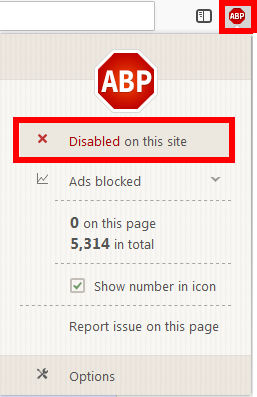
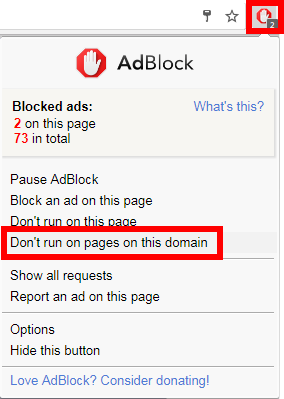
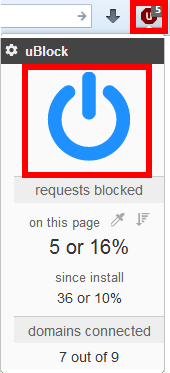
この無料内容は広告によって提供しておりますが、広告ブロック機能が稼動しているようです。
Nihongo-Proのゲームやクイズのご利用にあたっては、広告ブロックを無効にしていただけますか。
- 年中無休の日本語チャットルームへのログイン
- ご自分のクイズ成績の閲覧
- 「ひろば」交流フォーラムへの投稿
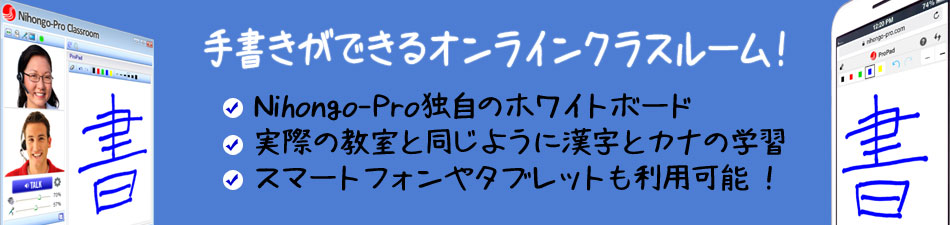
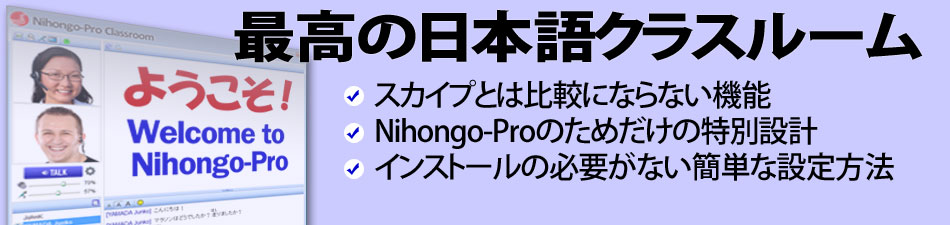

無料で登録し、日本語学習に役立つビデオチャットをお楽しみください。

128日前
日本で 一番売れている絵本は「いない いない ばあ(Peek-a-boo)」だそうです。次が「ぐりとぐら」だそうです。どちらも 1967年に 出版(しゅっぱん)されました。[/font][/color][/size]絵本はロングセラーがおおいですから、あたらしいのは あまり ありません。「絵本作家(えほんさっか picture book author) に なるのは とても むずかしいそうです。よかったら、このYouTubeを見てくださいね。[/font][/color][/size]https://www.youtube.com/watch?v=psCoMkMOQlY[/color]
130日前
エモリーさん、こんにちは!
[quote]ジョセさん、仕事が好きですか。どうですか。[/quote]
まあ、仕事(しごと)が好(す)きですよ。組(く)み込(こ)みソフトウェアエンジニアです。現在(げんざい)、飛行機(ひこうき)を作(つく)る会社(かいしゃ)に務(つと)めています。利点(りてん)はありますが、日々(ひび)が慌(あわただ)しくて、ストレスが溜(た)まりやすいです。結局(けっきょく)、プログラミングが大好(だいす)きなので、プログラマーとして働(はたら)ければ、会社(かいしゃ)は別(べつ)にいいと思(おも)います。
でも、将来(しょうらい)、日本(にほん)で留学(りゅうがく)したくて、その後(あと)、就職(しゅうしょく)もしてみたいです。昔(むかし)からの夢(ゆめ)なので、今(いま)は全力(ぜんりょく)でお金(かね)を貯(た)めていますwww。
[quote]すごいすごい!おめでとうございました!感心していますよね!![/quote]
ありがとうございました!エモリーさんも引き続き本を読んで挑戦しましょう!
[quote]ジョセさん、仕事が好きですか。どうですか。[/quote]
まあ、仕事(しごと)が好(す)きですよ。組(く)み込(こ)みソフトウェアエンジニアです。現在(げんざい)、飛行機(ひこうき)を作(つく)る会社(かいしゃ)に務(つと)めています。利点(りてん)はありますが、日々(ひび)が慌(あわただ)しくて、ストレスが溜(た)まりやすいです。結局(けっきょく)、プログラミングが大好(だいす)きなので、プログラマーとして働(はたら)ければ、会社(かいしゃ)は別(べつ)にいいと思(おも)います。
でも、将来(しょうらい)、日本(にほん)で留学(りゅうがく)したくて、その後(あと)、就職(しゅうしょく)もしてみたいです。昔(むかし)からの夢(ゆめ)なので、今(いま)は全力(ぜんりょく)でお金(かね)を貯(た)めていますwww。
[quote]すごいすごい!おめでとうございました!感心していますよね!![/quote]
ありがとうございました!エモリーさんも引き続き本を読んで挑戦しましょう!
134日前
[quote]最近、僕は、染井為人の「正体」という本を読んでみました。結局、半年くらいかかっていて...[/quote]
ジョゼさん、ごめんなさい!その勝ち向こうに返信を書きませんでした!忘れました。
じょぜさん、ごめんないあい!そのかち むこうに へんしんを かきませんでした!わすれました。
すごいすごい!おめでとうございました!感心していますよね!!
すごいすごい!おめでとうございました!かんしんしていますよね!!
ジョゼさん、ごめんなさい!その勝ち向こうに返信を書きませんでした!忘れました。
じょぜさん、ごめんないあい!そのかち むこうに へんしんを かきませんでした!わすれました。
すごいすごい!おめでとうございました!感心していますよね!!
すごいすごい!おめでとうございました!かんしんしていますよね!!

134日前
Emilyさん
私(わたし)が ロサンゼルスの 高校(高校)の 図書館(としょかん)で 働(はたら)いていたのは 2003年(ねん)から 2007年(ねん)まででした。図書館(としょかん)では 主(おも)に Accelerated Readerの 仕事(しごと)を していました。それから ミシシッピに 引(ひ)っ越(こ)して、その後(あと) ミネソタに 住(す)みました。カリフォルニアが 一番(いちばん) 好(す)きです!
日本(にほん)の 図書館(としょかん)では 働(はたら)いていませんが、 図書館(としょかん)には よく 行(い)きました。図書館(としょかんや 本(ほん)の ある ところが 大好(だいす)きです。
私(わたし)が ロサンゼルスの 高校(高校)の 図書館(としょかん)で 働(はたら)いていたのは 2003年(ねん)から 2007年(ねん)まででした。図書館(としょかん)では 主(おも)に Accelerated Readerの 仕事(しごと)を していました。それから ミシシッピに 引(ひ)っ越(こ)して、その後(あと) ミネソタに 住(す)みました。カリフォルニアが 一番(いちばん) 好(す)きです!
日本(にほん)の 図書館(としょかん)では 働(はたら)いていませんが、 図書館(としょかん)には よく 行(い)きました。図書館(としょかんや 本(ほん)の ある ところが 大好(だいす)きです。
136日前
「漢字と平仮名。ひらがな だけ」
皆さん、こんにちは!いつもよろしくお願いします。
みなさん、こんにちは!いつもよろしくおねがいします。
[quote] わたしは ロサンゼルスに 住(す)んでいたとき、 高校(こうこう)の 図書館(としょかん)で はたらいていました。 [/quote]
中野先生、すごいです!何年ごろでしたか。いまでロサンゼルス近いうちに住んでいます。七年前にカリフォルニアに引っ越しました。カリフォルニアはどうでしたか。
なかのせんせい、すごいです!なんねんごろ でしたか。いまで ろさんぜるす ちかいうちに すんでいます。ななねん まえに かりふぉるにあ に ひっこしました。かりふぉるにあは どうでしたか。
いままだ、たくさん子どもは乗り物の本を大好きです。「ふへんのり」ですね~ 😄
いままだ、たくさん こどもは のりもの のほんを だいすきです。「ふへんのり」ですね~ 😄
それに、中野先生は日本の図書館で働くことがありますか。「どうですか」と思います。
それに、なかのせんせいは にほんの としょかんで はたらく ことが ありますか。「どうですか」とおもいます。
[quote] そうかもしれませんね。でも、実は、現代の若者達はスマホがある世界で育ってきているので、「パソコンのような物はもう要らない!」という考えが流行っていると思います。 [/quote]
ジョゼさん、そうですね。図書館で、昔々老人だけはパソコンの手伝うことがいりましたけど、最近、「ティーンエージャー」も手伝うことがいります。スマホは原因です!
じょせさん、そうですね。としょかんで、みらいみらい ろうじん だけ は ぱそこんの てつだう ことが いりました けど、さいきん、「てぃーんえーじゃー」も てつだう ことが いります。すまほは げんいんです!
ジョセさん、仕事が好きですか。どうですか。🙂
じょせさん、しごとがすきですか。どうですか。🙂
145日前
なかのさん、こんにちは。
そうかもしれませんね。でも、実は、現代の若者達はスマホがある世界で育ってきているので、「パソコンのような物はもう要らない!」という考えが流行っていると思います。大学を卒業した頃に、「最近、パソコンを使った事がない入学生が多くなりましたね」と教授から聞きました。スマホだけで色々なことができるようになりましたからかもしれませんね。
平仮名:
そう かもしれません ね。 でも、 じつ は、げんだい の わかものたち は スマホ が ある せかい で そだってきている ので、 「パソコン の よう な もの は もう いらない!」と いう かんがえ が はやっている と おもいます。 だいがく を そつぎょう した ごろ に、「さいきん、 パソコン を つかった こと が ない にゅうがくせい が おおく なりましたね」と きょうじゅ から ききました。 スマホ だけ で いろいろ な こと が できる よう に なりました から かもしれませんね。
146日前
Emilyさん、Joseさん、みなさん、こんにちは。
わたしは ロサンゼルスに 住(す)んでいたとき、 高校(こうこう)の 図書館(としょかん)で はたらいていました。でも ほとんどの 高校生(こうこうせい)は、 図書館(としょかん)で 本(ほん)を よまないで、 コンピューターを つかっていました。
いまも そうかもしれませんね。
わたしの こどもたちは のりものの 絵本(えほん)が 大好(だいす)きでした。
「とらっく とらっく とらっく」という本(ほん)と 「しょうぼうじどうしゃ じぷた」という本(ほん)です。
ボロボロに なって いますが、 今(いま)も わたしの 本(ほん)だなに ありますよ。
146日前
いいえ、いいえ。会話する事は練習として役に立つと思いますので、頑張りましょう!
そうですか!図書館にも思ったより慌しい日々がありますね。やっぱり、社会にすごく重要な仕事ですね。大学を通っていた時にしか図書館へ行きませんでしたので、確信を持って言えませんが、ブラジルの図書館にもそんなような社会への仕事があると思います。

「よぶこどり」の表紙はかわいい!日本語で書いた本を読むのが難しいが、挑戦して、本を読んでみる事は大事だと思います!

最近、僕は、染井為人の「正体」という本を読んでみました。結局、半年くらいかかっていて、よく読めなかった部分もありましたが、これからもっと勉強したら、将来にもう一度挑戦して、読み返すと、成長が感じられるようになると思います!
平仮名:
いいえ、いいえ。かいわ する こと は れんしゅう として やくにたつ と おもいます ので、がんばりましょう!
そうですか!としょかん にも おもった より あわただしい ひび が ありますね。やっぱり、しゃかい に すごく じゅうよう な しごと ですね。 だいがく を かよっていた とき に しか としょかん へ いきませんでした ので、かくしん を もって いえませんが、 ぶらじる の としょかん にも そんな ような しゃかい へ の しごと が ある と おもいます。
「よぶこどり」の ひょうし は かわいい! にほんご で かいた ほん を よむ の が むずかしい が、 ちょうせん して、 ほん を よんでみる こと は だいじ だ と おもいます!
さいきん、 ぼく は、そめい・ためひと の 「しょうたい」と いう ほん を よんでみました。 けっきょく、 はんとし くらい かかっていて、よく よめなかった ぶぶん も ありましたが、これ から もっと べんきょう したら、しょうらい に もう いちど ちょうせん して、よみかえす と、せいちょう が かんじられる ように なる と おもいます!
149日前
ジョゼ、こんにちは!わたしにもう一度返事を書きました、ありがとうございます!
じょぜ、こんにちは!わたしに もういちど へんじを かきました、ありがとうございます!
あ、あなたの平仮名の方法が大好きです! 😄
あ、あなたの ひらがなの ほうほうが だいすきです! 😄
図書館の仕事は静かなイメージがあるても、アメリカで公共図書館は忙しくて、時々ストレスです。最近図書館はもっともっと「social work」てきをなりますね。メンタルヘルスを手伝ったり、イミグレーションを手伝ったり、パソコンの方法を手伝っています。
としょかん の しごとは しずかな いめーじが あるても、あめりかで こうきょう としょかんは いそがしくて、ときどき すとれすです。 さいきん としょかんは もっと もっと 「social work」てきを なりますね。「mental health」をてつだったり、「immigration」をてつだったり、ぱそこんの ほうほうを てつだっています。
是非重要です!私の仕事が大好きです。でも、また時々ストレスです。静かじゃありません。😂
ぜひ じゅうよう です! わたしの しごとが だいすきです。でも、また ときどき すとれすです。しずかじゃありません。 😂
本について、あ!「Le Petit Prince」!高校の時に、フランス語を勉強した、「Le Petit Prince」を読みました。きれいな話ですね。
ほんに ついて、あ!「Le Petit Prince」!こうこうの ときに、ふらんすごを べんきょうした、「Le Petit Prince」を よみました。きれいな はなし ですね。
子どもの時に、お母さんとたくさん図書館の旅行へ行ったり、一緒にたくさん絵本と本を読みました。これは1冊のほんが大好きでした:
こどもの ときに、おかあさんと たくさん としょかんの りょこう へ いったり、いっしょに たくさん えほん と ほんを よみました。これは 1さつのほんが だいすきでした:

最近私はこの本を読むことが試しました:
さいきん わたしは このほんを よむことが ためしました:

全部読むことができませんでしたけど、泣きましたよ~ 😭😭😭 日本でこの芸術家は有名です、マリエちゃんと言いました!
ぜんぶ よむことが できませんでしたけど、なきましたよ~ にほんで このげいじゅつかは ゆうめい です、まりえちゃん と いいました!
150日前
こんにちは!
すごいですね!「司書」を読むと、ストレスのない毎日が暮らせる職業のイメージが来ます。事実はどうですか?
実は、子供の頃、絵本を全然読みませんでした。ブラジルに、「O pequeno príncipe」と言う絵本は人気があると思います。フランスの
絵本ですけど。フランスで、「Le Petit Prince」だと思います。
平仮名:
すごい ですね!「ししょ」を よむ と、ストレス の ない まいにち が くらせる しょくぎょう の イメージ が きまます。 じじつ は どうですか?
じつ は、 こども の ころ、 えほん を ぜんぜん よみませんでした。 ブラジル に、「O pequeno príncipe」と いう えほん は にんき が ある と おもいます。フランス の
えほん ですけど。フランス で、「Le Petit Prince」だ と おもいます。
152日前
皆さん、こんにちは!今から、皆さんは読むことができたいんです、私の「posts」を平仮名と漢字で書きます。がんばれましょう!
(みなさん、こんにちは! いま から、みなさんは よむ ことが できたいんです、わたしの 「posts」を ひらがな と かんじ で かきます。がんばれましょう!)
本が大好きです。実に、図書館で働きます。「司書」ですから、毎日たくさん本を見ています。
(ほん が だいすき です。じつに、としょかんで はたらきます。 「ししょ」ですから、まいにち たくさん えほんを みています。)
子ども向けて、図書館はたくさん絵本を集めます。大半絵本は英語でが、中国語とスペイン語と日本語の絵本があります。
(こどもむけて、としょかんは たくさん えほんを あつめます。たいはん えほんは えいごでが、ちゅうごくご と すぺいんご と にほんごの えほんが あります。)
日本語で上手になりたいんです、日本語の絵本は読むことが試します! 😄
(にほんごで じょうずに なりたいんです、にほんごの えほん は よむ ことが ためします! 😄)
皆さん、子どもの時にたくさん絵本を読みましたか。 どれ絵本がいちがん大好きですか。 あなたの国で、どれ絵本が有名ですか。
(みなさん、 こどものどきに たくさん えほんを よみましたか。 どれ えほんが いちばん だいすきですか。 あなたの くにで、どれ えほんが ゆうめい ですか。)
154日前
かたの先生、こんにちは!初めまして! あ、「う」と「ゆ」の問題はフランスでおなじですか! どうして! 面白いですよね。うみのお名前の漢字は、「海」ですか。🏖️
ジョゼさん、そうですか。頭がいい!でも、「Truman Show」が大好き。その映画をすすめます!
やまもと先生、こんにちは!初めまして![quote]John → Jack(もはや別人!)[/quote]
😂😂😂 そうですそうです!! 例えば、私の夫のお名前は「Nathaniel」です。時々他人は「Nate」を呼んでいます。「ナセニエル」 --> 「ネート」…🤔
英語さん、どうして。 😂
毎日新しいクイズが登場。無条件で100%無料。
多数のJLPTクイズを含んだレベル別の新しいクイズが毎日登場します。 Nihongo-Proのすべてのクイズは無条件で100%無料です。お使いのPC、スマートホン、iPad、タブレットから無料の日本語クイズをお試しになり、 1日に数分間、オンラインで無料の日本語学習をお楽しみください。登録は無料です。無料日本語クイズ
2025年10月3日の無料の日本語クイズです。新しいクイズが毎日登場します-毎日、新しいクイズに挑戦して、
日本語学習達成度を記録してみましょう。Nihongo-Proのすべてのクイズは無条件で100%無料です。
無料の日本語クイズに挑戦して、あなたの日本語の知識(漢字 語彙 文字 読解)のレベルをチェックしてみましょう。
しょきゅうの かんじ (すうじを よもう!)Learn to read Japanese Kanji for numbers with this free Japanese quiz.
Learn to read Japanese Kanji for numbers with this free Japanese quiz.
中級読解:読み物にチャレンジ!河童 If you want to learn Japanese online, lessons at Nihongo-Pro are your best choice to learn Japanese quickly and effectively.
If you want to learn Japanese online, lessons at Nihongo-Pro are your best choice to learn Japanese quickly and effectively.
正しいカタカナ語を選ぼうKatakata-go, for words of foreign origin written in katakana, are a fun part of Japanese. Many of the words are of English origin, but Japanese don't just import the English word as is—more often, they put a Japanese spin on the meaning, or combine two foreign words into a uniquely Japanese expression.
Katakata-go, for words of foreign origin written in katakana, are a fun part of Japanese. Many of the words are of English origin, but Japanese don't just import the English word as is—more often, they put a Japanese spin on the meaning, or combine two foreign words into a uniquely Japanese expression.
これまでのクイズ
クイズ掲載日に解答し忘れても、ここでNihongo-Proの最近のクイズに挑戦できます。
無料の日本語クイズに挑戦して、あなたの日本語の知識(漢字 文法 語彙 聞き取り)のレベルをチェックしてみましょう。
~は~ですTest your knowledge of building basic Japanese sentences with this fun, free Japanese quiz.
Test your knowledge of building basic Japanese sentences with this fun, free Japanese quiz.
会社 でHere's a free intermediate Japanese listening quiz to test your listening skills in conversation at work.
Here's a free intermediate Japanese listening quiz to test your listening skills in conversation at work.
JLPT N1 の漢字The JLPT N1 examination is the advanced level of the Japanese Language Proficiency Test. The test covers about 2,000 Kanji, with most Kanji-related questions involving reading jukugo (Kanji compounds).
The JLPT N1 examination is the advanced level of the Japanese Language Proficiency Test. The test covers about 2,000 Kanji, with most Kanji-related questions involving reading jukugo (Kanji compounds).